
Diplomatic Art History
The Third Republic’s Identity Crisis in the French Embassy Building in Habsburg Vienna
Identifiers (Article)
Abstract
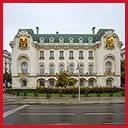
When on April 18, 1901, the decision was made in Paris to construct the first purpose-built embassy in Vienna, the ministerial authorities hoped to put an end to the never-ending letters of complaint from the ambassadors about the inadequacies of the Palais Lobkowitz, which was rented until the completion of the new embassy. Yet controversies around the French embassy continued: A much more intense tug-of-war played out among architects, ministers, and diplomats over the representation of the Third French Republic in the architecture and furnishings of the planned building. I examine the years-long struggle of the state architect Georges Chedanne with the Ministry of Foreign Affairs, the Ministry of Fine Arts, and the changing ambassadors on-site in Vienna. In particular, I trace the different positions, demands, and needs of the actors involved not only through written sources but also in the architectural and artistic program of the building on Schwarzenbergplatz.
The primary tension at the heart of the planned embassy was that Chedanne envisioned a modern Gesamtkunstwerk somewhere between Art Nouveau and Eclecticism, whereas the Ministry of Foreign Affairs insisted on a self-confident representation of the Third Republic—both proposed styles conflicting with the diplomatic reality of the ambassador’s life. I argue that Chedanne attempted to face this precarious situation artistically: Not the history of France but the far less problematic history of French art should await the visitors at the embassy. This, however, did not spare the building decades of scorn from both French ambassadors and the Viennese public.
Statistics